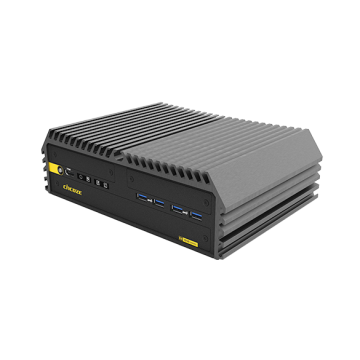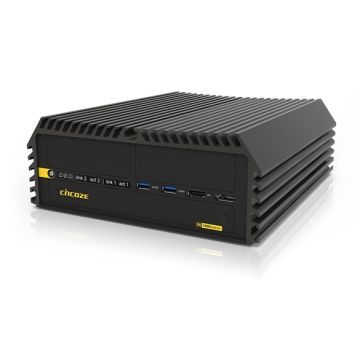



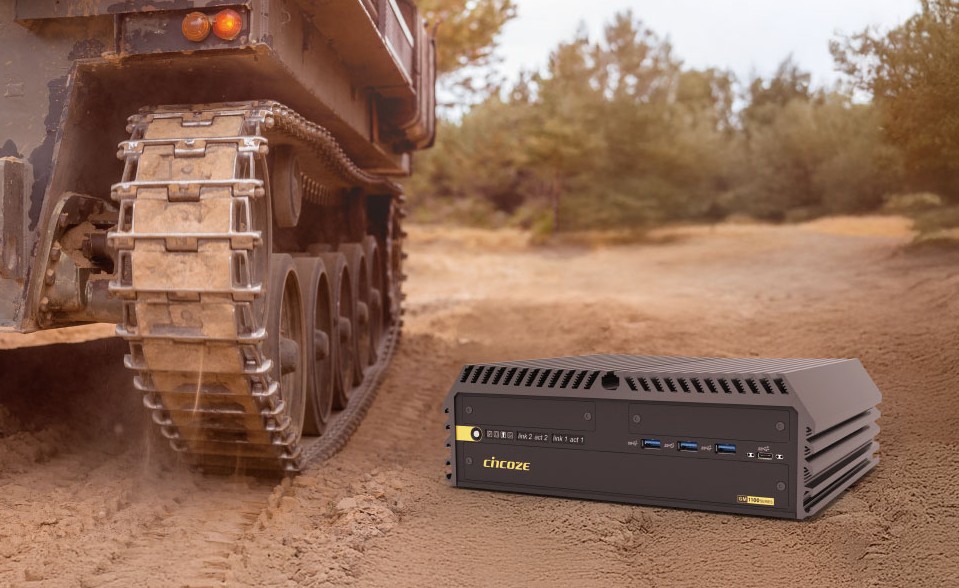
Industrial computers are rarely installed in comfortable environments. Outdoor cabinets, in-vehicle systems, cold-chain warehouses, smelting plants, and ship engine rooms can all expose computing hardware to temperature extremes that directly affect uptime, data integrity, and service life. As a Cincoze distribution partner in the USA, Tekdis helps customers source rugged embedded computers, fanless industrial PCs, and wide-temperature computers for real field conditions.
Article summary
- Wide-temperature industrial computers can start and run reliably across their stated ambient range.
- Heat can cause throttling, crashes, accelerated component aging, storage issues, and signal degradation.
- Cold can cause startup difficulty, power instability, abnormal read/write behavior, and mechanical stress.
- Reliable fanless industrial PCs depend on component selection, thermal design, and complete-system testing.
What wide-temperature operation means for industrial PCs
Wide-temperature operation means an industrial computer can start normally and run stably within its labeled ambient temperature range. This reduces the risk of crashes, data corruption, abnormal storage behavior, and other malfunctions caused by high or low temperatures.
Common operating ranges include 0°C to 50°C for general industrial systems and -40°C to 70°C for rugged embedded computers intended for harsher deployments. The exact rating depends on processor power consumption, thermal design, system configuration, and the installation environment.
| Operating temperature | The ambient temperature range in which the system can maintain normal operation while powered on. |
|---|---|
| Storage temperature | The ambient range in which the system can be safely stored while powered off and not in use. |
| Ambient temperature | The actual temperature around the installed equipment. This is the baseline for assessing the deployment environment. |
| Component temperature | The operating temperature of internal parts such as the CPU, GPU, SSD, memory, and power module. These parts generate heat, so their temperature is usually higher than ambient. |
How temperature affects rugged industrial computer reliability
In high-temperature environments, the CPU and chipset can overheat and trigger clock throttling. In severe cases, the system may crash. SSDs, RAM, and power modules can age faster, increasing the risk of abnormal read/write behavior, data loss, or unstable supply voltage.
Heat can also accelerate oxidation, solder joint fatigue, and contact resistance. Over time, these effects can weaken signal integrity and reduce operational reliability. The issue is becoming more important as industrial computers take on heavier workloads such as AI inference, image analysis, and multi-camera vision processing.
Low temperatures create a different reliability problem. Electrical characteristics can shift, making the system difficult to start. Storage, memory, and power modules may show startup delays, unstable power behavior, or abnormal read/write performance. Enclosures, cables, and connectors can also become more brittle, increasing the chance of mechanical damage or loose connections.
What gives a fanless industrial PC wide-temperature capability
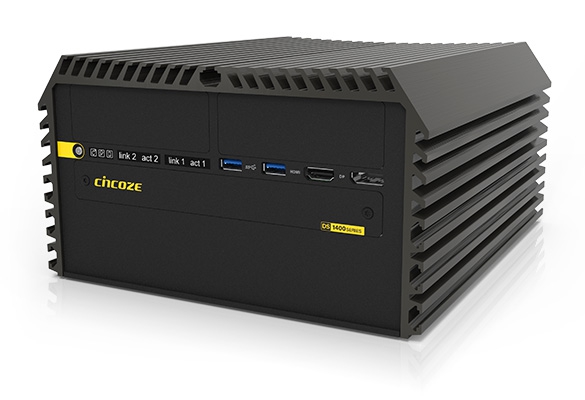
A wide-temperature rating is not created by one rugged part. It depends on system-level engineering that starts with component selection and continues through thermal structure, chassis design, and validation testing.
- Industrial-grade component selection: CPUs, memory, storage, power components, and passive components should be selected for the target operating range.
- Fanless thermal design: Removing fans reduces mechanical failure points and limits the intake path for dust, moisture, and debris.
- Heat conduction path design: Heat sinks, fins, copper heat pipes, and extruded aluminum enclosures help conduct heat away from internal components and out of the chassis.
- System-level temperature testing: Complete systems should be tested under high-temperature, low-temperature, and temperature-change conditions.
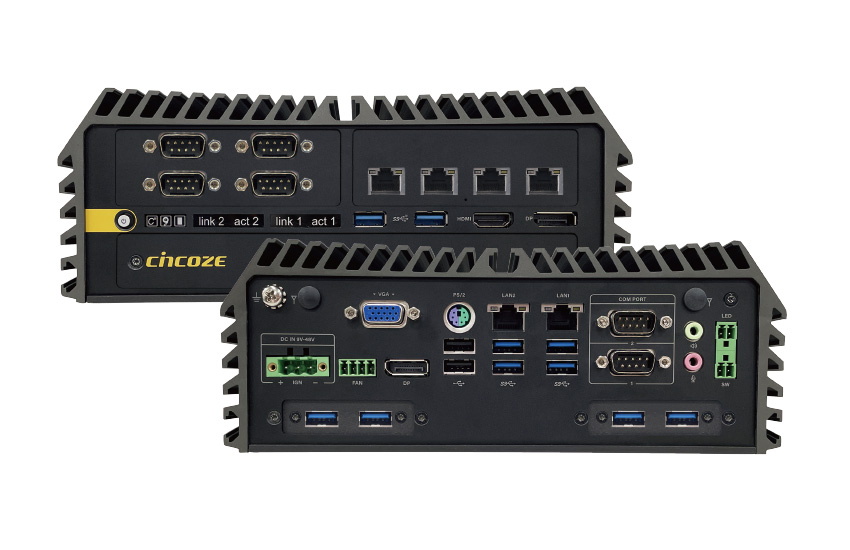
Specification note: Tekdis can supply Cincoze rugged embedded computer models rated for wide-temperature operation from -40°C to 70°C, and can help USA customers review model-level validation details such as cold, dry-heat, temperature-change, and cold-start testing during product selection.
USA applications that need wide-temperature industrial computers
Wide-temperature operation is especially important where systems are exposed to direct sun, enclosed cabinet heat, freezing starts, vehicle movement, unstable power, or high sustained compute loads. These conditions are common in USA manufacturing, energy, transportation, environmental monitoring, and outdoor equipment projects.
| Heavy industry | Smelting, factory automation, and high-heat production equipment can expose computers to elevated ambient temperatures, dust, vibration, and long operating hours. |
|---|---|
| Energy and environment | Remote energy sites, outdoor enclosures, utility systems, and environmental monitoring stations often combine temperature swings with difficult service access. |
| Food processing and cold chain | Cold storage, refrigerated logistics, and food processing systems need hardware that can boot, store data, and communicate reliably in low-temperature environments. |
| Transportation | Vehicle computers, roadside cabinets, and rail systems can face vibration, seasonal temperature swings, and power variation. |
What to check before buying a wide-temperature computer in the USA
Before choosing hardware, define the actual field conditions rather than relying on a single headline number. The operating temperature range is important, but it should be reviewed alongside enclosure design, heat sources, workload, power input, mounting, validation documentation, lifecycle availability, and USA project support needs.
- Expected minimum and maximum ambient temperature at the equipment location
- Whether the system is installed in open air, a vehicle, a sealed cabinet, or a sun-loaded outdoor enclosure
- CPU, GPU, storage, and I/O workload under normal and peak operation
- Available airflow, chassis contact, DIN rail or wall mounting, and nearby heat sources
- Power source stability, input voltage range, ignition control, and shutdown behavior
- Required standards, validation reports, lifecycle expectations, and long-term availability
Tekdis supplies Cincoze rugged embedded computers in the USA
For harsh deployments, wide-temperature operation is part of reliability engineering. Tekdis distributes Cincoze rugged embedded computers, fanless industrial PCs, and related industrial computing hardware in the USA, and can help review thermal, power, I/O, mounting, validation, and lifecycle requirements before a final hardware recommendation is made.

Request a Quote
Please fill in your details below, we will get back to you as soon as possible.