




Source the complete field stack
Compare LiDAR, LPR, edge AI, PoE, routers, gateways, sensors and accessories through one technical supplier.
See example hardware
Tekdis LLC helps USA engineers and system integrators source the field hardware behind smart city systems: LiDAR, AI and LPR cameras, edge AI computers, PoE switches, 5G/LTE routers, gateways, sensors and accessories.

Tekdis consolidates your hardware procurement behind the application: sensing, edge AI, industrial networking and backhaul.
Compare LiDAR, LPR, edge AI, PoE, routers, gateways, sensors and accessories through one technical supplier.
See example hardwareUse your preferred VMS, ATMS, IoT or cloud platform. Tekdis helps select compatible field hardware.
View the stackPlan antennas, enclosures, storage, lifecycle, alternatives and rollout quantities before the project scales.
Discuss your projectIntersection safety, enforcement, transit analytics or distributed sensing.
Sensor input, edge AI, PoE networking, routers, antennas and accessories.
Review model-level requirements for ruggedness, interfaces, procurement and rail.
Share site geometry, range, mounting, power, network path and rollout quantity.
A smart intersection shows how sensing, edge AI, PoE networking and backhaul work as one field system.
Sensor input, edge AI, PoE networking and backhaul work together as one roadside hardware set.
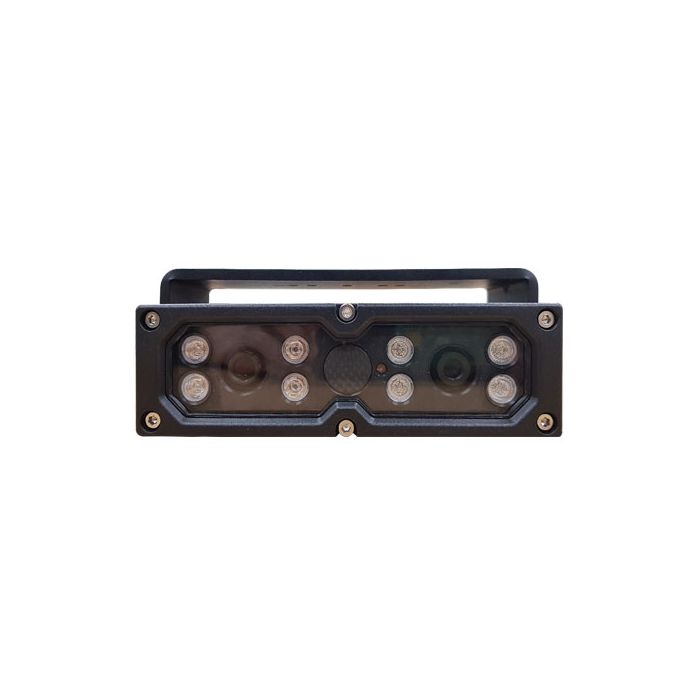
Capture vehicle plates and overview imagery for access, parking and enforcement points.
Captures plate and overview evidence for local event logic.
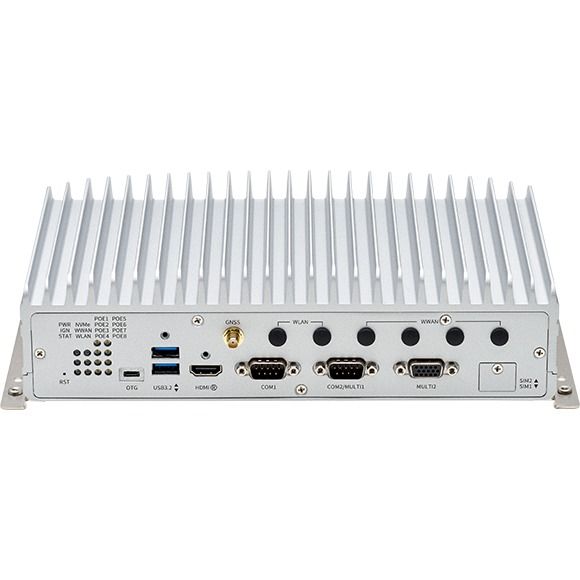
Run local inference and event filtering.
Turns sensor streams into selected events.
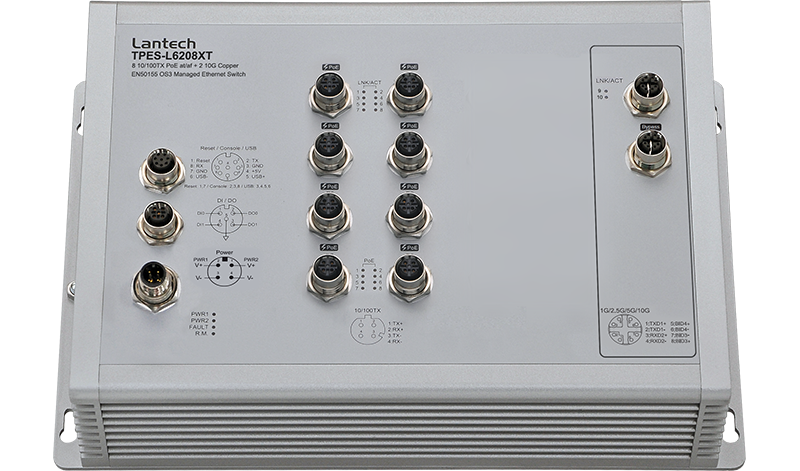
Power and connect roadside equipment.
Powers sensors, edge AI and cabinet equipment.
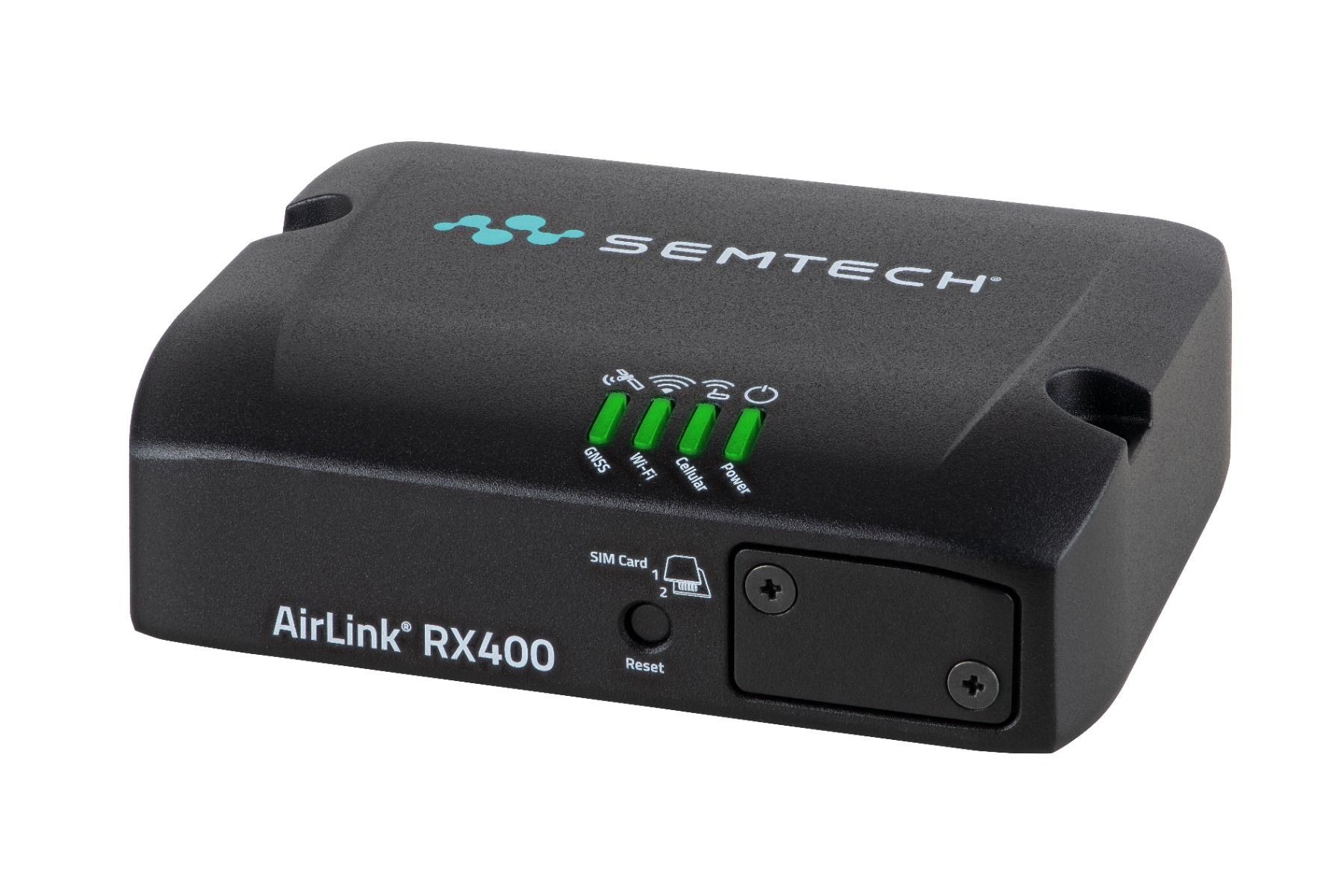
Send events where fixed connectivity is limited.
Moves selected events offsite.
Brief application examples based on the same hardware chain: sensing, edge AI, industrial networking and backhaul.
Use these as conversation starters. Final hardware depends on range, mounting, enclosure, power, network and approvals.
LPR and edge processing for free-flow highway, access control, parking and enforcement projects.
Typical hardware: GPI Korea LPR, NEXCOM edge AI, Lantech managed PoE and cellular backhaul.
LiDAR and depth sensing for density, flow and dwell analytics without collecting facial imagery.
Typical hardware: LSLiDAR CX or CB64S1, depth cameras, NEXCOM rROK or ATC, Lantech rail switch.
Low-power sensing and resilient connectivity for distributed city assets and hard-to-wire sites.
Typical hardware: Milesight LoRaWAN sensors and gateways, LSLiDAR LS30MVA and cellular backhaul.
Partner product ranges that fit common smart city hardware builds.
 LSLiDAR
Roadside, wide-FOV, long-range, rail and bridge LiDAR for geometry-based detection.
 GPI Korea
Mobile LPR, motorized-lens LPR and in-car video for enforcement and access.
 NEXCOM
ATC and rROK rugged computers for roadside, vehicle, railway and local inference.
 Lantech
Managed PoE, fiber, 10G, rail and rugged Ethernet switching for cabinet, pole and vehicle networks.
 Milesight
LoRaWAN sensors, gateways and industrial IoT hardware for monitoring city assets.
Smart city buyers often need model-level evidence for safety, interoperability, ruggedness, cybersecurity and procurement rules.
Use open interfaces when roadside systems must feed VMS, ATMS, IoT, digital twin or traffic systems.
Lantech switches and compatible cellular routers help address IEEE 802.3 PoE, VLAN, redundancy and management requirements.
Products such as NEXCOM ATC systems, LSLiDAR sensors and rugged switches should be checked for IP rating, operating temperature and vibration needs.
NEXCOM rROK and Lantech rail product families can support rail-oriented projects where the selected model carries the required approvals.
For US public bids, confirm NDAA Section 889 position, TAA fit and country-of-origin documentation before quoting the final BOM.
LiDAR, depth sensing and edge filtering can reduce raw video movement while still producing useful events and metadata.
Common questions from USA smart city teams planning LiDAR, LPR, edge AI, LoRaWAN, PoE and cellular deployments.
What Tekdis can supply, compare and assemble for smart city projects.
LiDAR, AI and LPR cameras, rugged edge AI computers, PoE switches, 5G/LTE routers, antennas, LoRaWAN sensors, gateways, storage and field accessories.
Yes. Share the outcome, site layout, detection distance, power, network and approval needs. Tekdis can help match sensing, edge AI, switching and backhaul hardware.
Use edge AI when the site needs low latency, local sensor fusion, reduced backhaul or event-only transmission.
Tekdis focuses on hardware. Customers can use their preferred VMS, ATMS, IoT platform, cloud service or city software environment.
How hardware stacks fit intersections, transit, enforcement and distributed sensing.
Yes. A typical stack may combine LiDAR or cameras, a rugged edge AI computer, industrial PoE switching, cellular backhaul and antennas.
A typical smart intersection hardware stack can include LiDAR or LPR cameras, rugged edge AI compute, industrial PoE switching, cellular routers, antennas, storage and enclosures.
Yes. Tekdis can help compare LPR cameras, edge computers, PoE switches and routers for tolling, access, parking and enforcement projects.
Tekdis can support transit and rail-adjacent projects with passenger counting sensors, rugged edge computers, EN 50155-oriented product families, industrial switches and backhaul equipment.
When LiDAR, LoRaWAN and edge filtering help reduce raw data movement.
LiDAR is useful for geometry-based detection, queue measurement, pedestrian zones, blind spots and privacy-sensitive traffic analytics.
LoRaWAN sensors suit low-power monitoring such as air quality, noise, water level, occupancy, lighting, waste and distributed city assets.
LiDAR, depth cameras and edge event filtering can help projects detect presence, movement, queues or occupancy without sending every raw video stream upstream.
What to check before quoting, piloting or scaling a smart city hardware set.
Check range, mounting, enclosure, power budget, PoE needs, cellular coverage, antenna placement, software interfaces and approval requirements.
Yes. Tekdis can help source evaluation units, compatible alternatives, accessories and repeatable hardware sets for wider rollouts.
Tekdis can help identify model-level documentation for ruggedness, PoE, network management, NDAA, rail, cybersecurity and interface requirements before a final BOM is quoted.
Share the application, site geometry, detection outcome, mounting location, available power, network path, required interfaces, approvals and expected rollout volume.
Tell us what your site must detect, how data should reach the platform and what approvals apply. We can help shape a practical hardware BOM.